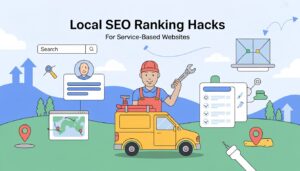

Local businesses depend on foot traffic and community connections. In the digital age, however, a strong online presence is just as important. Nearly half of all Google searches have local intent, and there are billions of local searches every month. 88% of mobile users who search for a local business visit or call within 24 hours, meaning your online presence can directly influence offline sales.
This guide walks you through creating a comprehensive digital marketing plan tailored to local businesses – combining local SEO, social media, paid advertising, content marketing, email, and reputation management.
1. Set Goals and Understand Your Audience
Start by defining clear, measurable goals (e.g., increase foot traffic by 20%, generate 50 new leads per month, grow newsletter subscribers). Identify your target audience’s demographics, interests, and pain points.
If you have existing customers, survey them to learn why they chose you and how they discover local businesses. You can use free tools like Google Forms or SurveyMonkey to gather insights easily.
2. Claim and Optimize Your Google Business Profile
Your Google Business Profile (formerly Google My Business) is critical for local SEO. Optimizing your profile ensures your business appears when potential customers search nearby.
To optimize:
- Provide accurate and consistent Name, Address, and Phone (NAP) details across directories.
- Choose the correct categories and add detailed service descriptions.
- Upload high-quality photos and update them regularly.
- Post updates, offers, and events to engage users.
- Encourage reviews and respond promptly. Positive reviews build trust, while professional responses to negative ones show care.
3. Build a Mobile-Friendly Website with Local SEO
Your website is the hub of your digital marketing. For local SEO:
- Optimize title tags, meta descriptions, and headings with local keywords (e.g., “best bakery in Indore”).
- Create dedicated location pages if you serve multiple areas. Include directions, parking info, and local testimonials.
- Embed Google Maps on your contact page and link back to your Google Business Profile.
- Ensure your site loads quickly and is responsive on all devices. Mobile usability directly affects rankings – Google PageSpeed Insights can help you test performance.
- Implement schema markup (LocalBusiness, Organization) so search engines understand your business details. You can learn more about this on Schema.org.
If you need professional help with local SEO optimization or website improvements, check out the digital marketing services offered by experts who specialize in small business growth.
4. Develop a Content Marketing Strategy
Content marketing positions your business as a community resource and boosts SEO. Create localized content such as blog posts about community events, success stories, and helpful guides.
Steps:
- Plan topics around local interests. Write articles about upcoming festivals, local guides, interviews with nearby businesses, or “top things to do” lists.
- Repurpose content into social posts, infographics, or short videos.
- Consistency matters. Publish regularly- weekly or biweekly – to build momentum. Use a content calendar to stay organized.
- For SEO content ideas, check resources like Ahrefs Blog or HubSpot’s Marketing Blog.
5. Engage on Social Media
Social media connects you with local customers and humanizes your brand. Platforms like Facebook, Instagram, and LinkedIn offer great opportunities to engage your community.
Tips:
- Choose the right platforms. If your audience is younger, focus on Instagram and TikTok; for professionals, prioritize LinkedIn.
- Post consistently and interact. Share local stories, behind-the-scenes glimpses, and user-generated content.
- Promote local events and partnerships.
- Use scheduling tools like Buffer or Later to plan and automate posts.
6. Run Targeted PPC Campaigns
Paid advertising amplifies your reach and drives immediate traffic. Local PPC campaigns on Google Ads and Facebook Ads allow precise geo-targeting.
Key considerations:
- Budget and bids: Start with a modest budget and monitor performance using Google Ads Keyword Planner.
- Keyword and audience targeting: Use local keywords and exclude irrelevant searches with negative keywords.
- Landing pages: Create dedicated landing pages that match your ads and include strong calls to action.
- Remarketing: Use pixels to retarget visitors who didn’t convert, showing them special offers or reminders.
7. Implement Email Marketing
Email remains a powerful way to nurture customer relationships.
- Collect email addresses using signup forms on your website, at checkout, or during events. Offer incentives like discounts or exclusive content.
- Segment your list by location, interests, or purchase history.
- Send regular newsletters with updates, promotions, and local stories.
- You can use tools like Mailchimp or Brevo (formerly Sendinblue) to automate campaigns.
8. Manage Your Online Reputation
Your reputation influences whether locals choose your business. Monitor reviews on Google, Yelp, and Facebook. Encourage happy customers to leave reviews and respond to all feedback.
Set up alerts using Google Alerts to track mentions of your business name online. A strong reputation builds trust and improves visibility.
9. Measure and Adjust
Tracking results ensures your plan stays effective. Use Google Analytics 4 and Google Search Console to monitor website traffic, keywords, conversions, and local search performance.
Review performance across all channels- SEO, social media, PPC, content, and email – and adjust your strategy accordingly. Connect online actions with in-person visits using call tracking or CRM tools.
For complete campaign management, explore comprehensive marketing solutions that combine SEO, content, PPC, and automation – available through professional digital marketing services.
Conclusion
A well-structured digital marketing plan helps local businesses thrive in a competitive online environment. Start by claiming your Google Business Profile, then build a mobile-friendly website with strong local SEO. Create localized content, engage on social media, run targeted PPC campaigns, leverage email marketing, and manage your reputation.
Consistent measurement and optimization ensure your digital efforts translate into real-world results – more traffic, leads, and loyal customers.